Well-coordinated teamwork speaks About Us
Our working process
From sourcing advanced filtration technology to ensuring seamless installation and support, our process is built around transparency, reliability, and innovation. We work closely with our partners and customers to provide solutions that are efficient, eco-friendly, and easy to maintain.
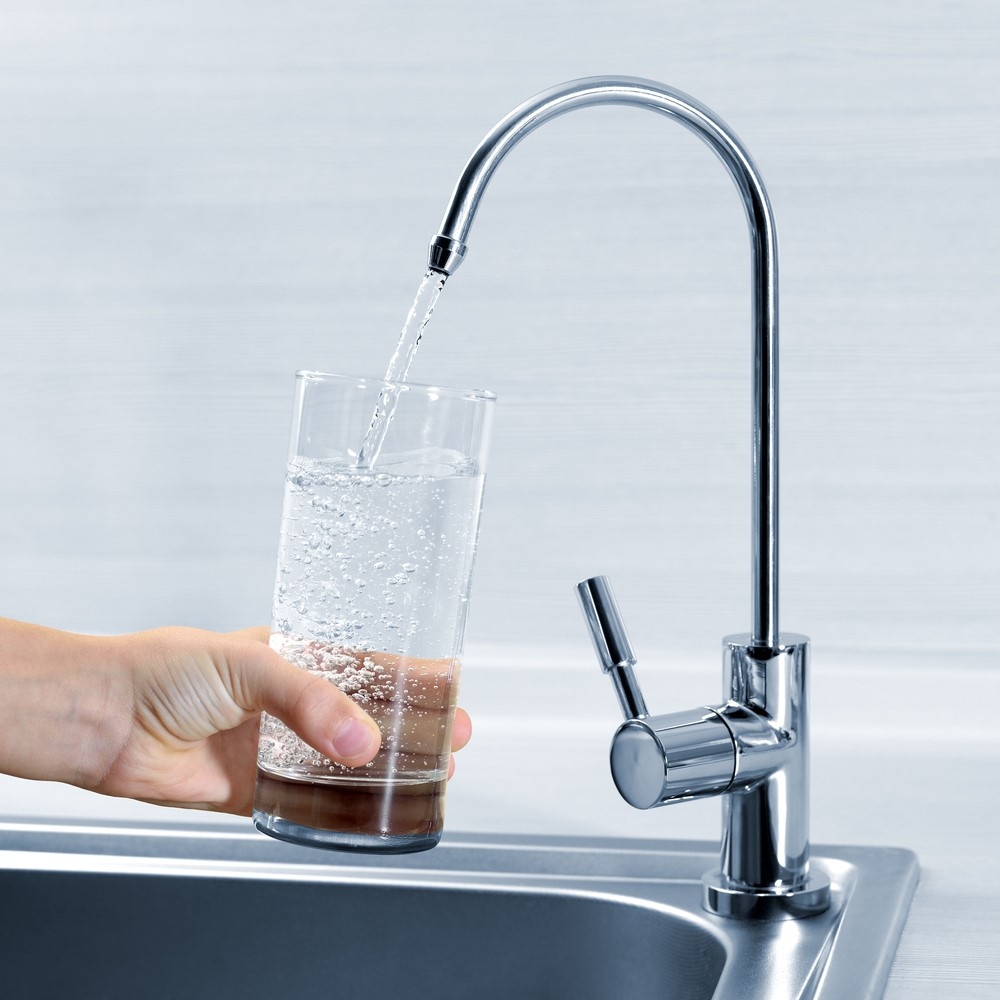
About Albatross Filtration Systems
At Albatross Filtration Systems, we believe that every home deserves access to pure, safe, and great-tasting water. As a trusted distributor in the water purification industry, we bring together advanced filtration technology, eco-friendly engineering, and user-focused design to create solutions that truly make a difference.
Our systems help reduce contaminants, protect household appliances, and minimize the environmental impact caused by plastic bottled water and chemical waste. Through innovation, responsible sourcing, and a passion for sustainability, we strive to support healthier families and a cleaner planet.
Every filtration product we offer reflects our commitment to quality, environmental stewardship, and long-lasting performance — ensuring peace of mind with every drop.
Facts
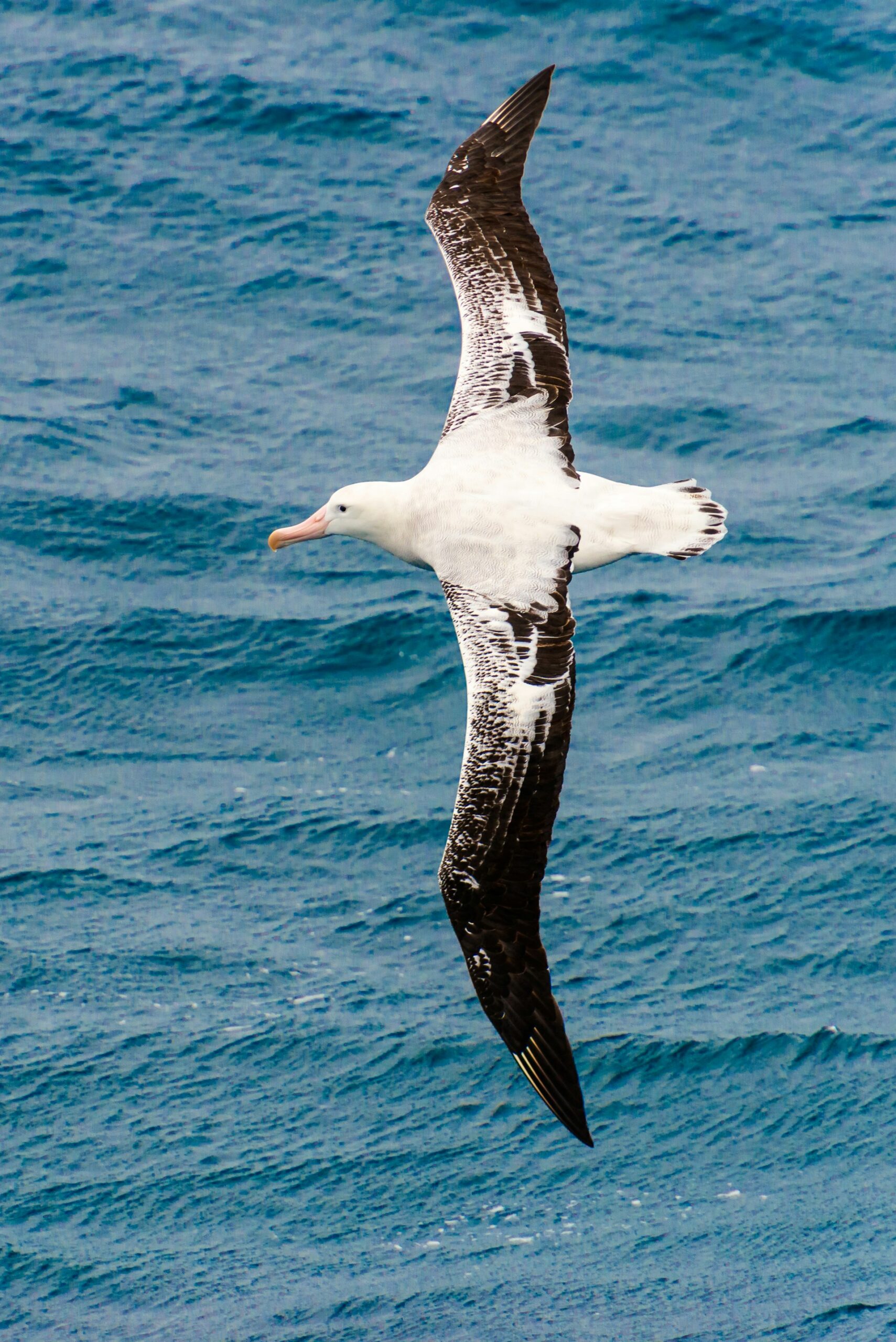
The albatross is one of nature’s most remarkable seabirds, known for its enormous wingspan and incredible flight endurance. Found gliding gracefully over the world’s oceans, it symbolizes freedom, resilience, and mystery. With unique physical adaptations and deep emotional intelligence, this ocean wanderer has fascinated sailors, scientists, and storytellers alike. In this article, we’ll explore the most fascinating albatross facts — from their habitats and flight patterns to their love lives and conservation stories.
Challenges Faced by Albatrosses
Despite their resilience, albatrosses face multiple threats that have caused sharp declines in their numbers. The biggest danger comes from longline fishing, where birds get accidentally hooked and drown while attempting to catch bait.
Plastic pollution is another major issue — albatrosses often mistake floating plastics for food. These materials accumulate in their stomachs, leading to starvation and death. Studies have found alarming amounts of plastic debris in both adult and chick stomachs on islands like Midway Atoll.